How Robotic Solutions Accelerate Speed in Precision Aluminum Casting Lines
Wiki Article
Why Aluminum Factory Castings Supply Exceptional Rust Resistance for Outdoor Products
Aluminum shop castings are progressively preferred for outdoor items due to their exceptional corrosion resistance. When light weight aluminum is revealed to oxygen, this particular stems from the formation of a protective oxide layer that creates naturally. This layer not only works as a barrier against wetness and harsh agents however additionally possesses self-healing homes. Understanding the chemistry behind this process exposes why light weight aluminum is a leading choice for exterior applications, raising inquiries about its performance contrasted to various other materials.The Chemistry Behind Aluminum's Rust Resistance
Light weight aluminum's remarkable rust resistance is largely credited to its unique chemical residential or commercial properties. As a lightweight metal, aluminum reacts with oxygen to form a secure layer of light weight aluminum oxide on its surface area. This oxide layer works as an obstacle, avoiding further oxidation and safeguarding the underlying metal. The highly reactive nature of light weight aluminum allows it to form strong bonds with various other elements, resulting in a safety movie that prevents the penetration of dampness and destructive agents.In addition, aluminum shows a reduced thickness and a high strength-to-weight ratio, making it appropriate for different applications, specifically in exterior settings. Its resistance to pitting, crevice deterioration, and stress deterioration fracturing additional improves its toughness. When subjected to environmental elements, the intrinsic homes of aluminum minimize the threat of deterioration, making it an ideal selection for exterior products. This mix of chemical characteristics assures that aluminum maintains its architectural integrity even in tough problems.
The Function of the Protective Oxide Layer
An essential element of aluminum's corrosion resistance hinges on the protective oxide layer that forms normally upon exposure to oxygen. Aluminum Casting Company. This layer, composed mainly of light weight aluminum oxide, functions as a barrier in between the metal and exterior environmental factors, substantially decreasing the likelihood of further rust. The oxide layer is generally just a couple of nanometers thick, yet it is incredibly efficient in stopping wetness and corrosive representatives from passing through the underlying light weight aluminumThe formation of this oxide layer occurs quickly and uniformly, adding to the total resilience of aluminum factory spreadings. Significantly, the protective layer is self-healing; if harmed, it can promptly change, keeping its protective high qualities. This unique particular sets light weight aluminum besides numerous other steels, offering a significant benefit in outdoor applications where direct exposure to extreme problems is usual. The oxide layer plays a critical function in enhancing the longevity and efficiency of aluminum products used in exterior environments.
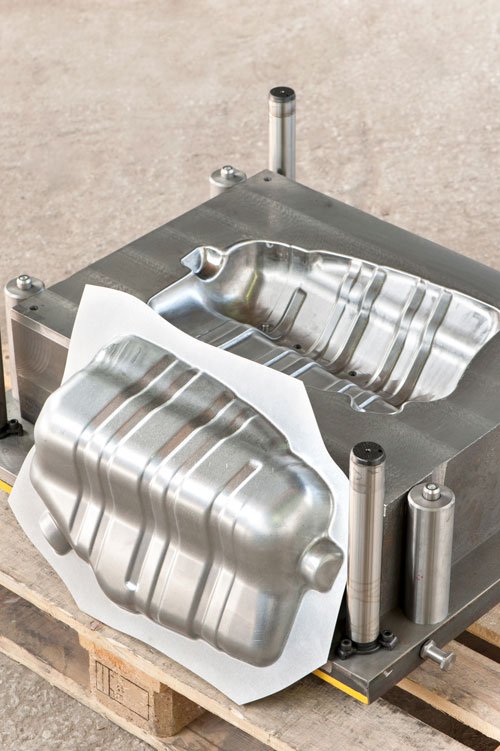
Comparison With Various Other Products
While light weight aluminum provides extraordinary rust resistance due to its protective oxide layer, other materials existing differing degrees of toughness and upkeep requirements in outside applications. Steel, as an example, is prone to rusting when exposed to wetness, necessitating regular painting and maintenance to stop deterioration. Stainless steel, while much more resistant to corrosion than routine steel, still calls for maintenance to maintain its appearance and integrity.In comparison, plastics such as PVC and polyethylene are highly resistant to corrosion and do not call for paint; however, they may suffer from UV degradation over time, resulting in brittleness and discoloration. Copper and brass can develop a patina that some discover aesthetically pleasing, yet they are not unsusceptible to corrosion in harsh settings. Eventually, while aluminum stands out for its mix of light-weight stamina and low maintenance, various other materials might offer particular functions but often come with their own constraints and treatment demands.
Applications of Aluminum Castings in Outdoor Products
Countless applications gain from aluminum spreadings in exterior products, showcasing the material's convenience and efficiency. From garden furniture and exterior lights fixtures to building aspects and recreational devices, aluminum spreadings give stamina and visual charm. Their lightweight nature makes them perfect for portable items, such as outing tables and barbecue grills, while their resistance to deterioration warranties durability in numerous climate condition. In enhancement, aluminum spreadings are typically used in marine applications, consisting of boat installations and dock parts, where direct exposure to wetness is frequent. The ability to attain complicated forms through casting processes permits makers to create distinct layouts that improve functionality and design. Moreover, light weight aluminum's capacity to be quickly repainted or coated includes to its flexibility, permitting outside items to blend flawlessly with different environments. On the whole, light weight aluminum spreadings act Precision Aluminum Casting as a trustworthy selection for a variety of exterior applications, contributing to both durability and visual charm.Maintenance Tips for Light Weight Aluminum Outdoor Products
Proper maintenance of aluminum outdoor items is important to secure their durability and aesthetic charm. Regular cleaning is necessary; a mild laundry with light soap and water will get rid of dust and crud without harming the surface - Aluminum Casting Company. For stubborn discolorations, a soft brush can be employed, avoiding rough abrasives that might scrape the light weight aluminumExamining for signs of wear, such as scrapes or staining, is important. If detected, applying a quality aluminum polish can bring back the luster and supply a protective layer versus the aspects. Additionally, it is advisable to save aluminum products in a sheltered area throughout severe climate condition to stop unnecessary direct exposure.
Finally, using a coat of wax periodically can enhance deterioration resistance and develop a barrier against moisture. By adhering to these maintenance pointers, individuals can assure that their aluminum outdoor products continue to be functional and aesthetically appealing for several years ahead.
Regularly Asked Inquiries
Just How Is Light Weight Aluminum Cast In Different Ways From Other Steels?
Aluminum casting varies from other steels primarily as a result of its lower melting point, enabling more detailed styles. In addition, aluminum's lightweight nature and superb fluidity throughout casting procedures contribute to its special production benefits compared to much heavier steels.Can Light Weight Aluminum Corrode in Saltwater Settings?
Aluminum can rust in deep sea settings, particularly when exposed to electrolytic problems. Nevertheless, its corrosion resistance can be boosted with safety coverings or anodization, making it suitable for numerous exterior applications despite prospective rust threats.What Are the Recycling Benefits of Light Weight Aluminum Castings?

Exactly How Does Temperature Affect Light weight aluminum's Deterioration Resistance?
Temperature level significantly affects light weight aluminum's deterioration resistance; greater temperature levels can speed up oxide layer malfunction, bring about increased vulnerability to rust. Alternatively, lower temperatures usually enhance protective layer security, boosting general resilience against harsh settings.Are There Any Health Risks Related To Aluminum Outdoors?
Light weight aluminum, when made use of outdoors, generally poses marginal health dangers. Nonetheless, extreme exposure to light weight aluminum dust or fragments may result in respiratory problems in sensitive people, emphasizing the importance of appropriate handling and use in outside environments.
Light weight aluminum foundry spreadings are increasingly favored for exterior products due to their impressive deterioration resistance. As a light-weight metal, aluminum reacts with oxygen to create a steady layer of aluminum oxide on its surface area. When subjected to ecological elements, the intrinsic properties of light weight aluminum lessen the risk of rust, making it an ideal option for outside products. While light weight aluminum offers remarkable deterioration resistance due to its protective oxide layer, other products present differing degrees of longevity and upkeep requirements in outdoor applications. Temperature level substantially affects aluminum's deterioration resistance; higher temperature levels can accelerate oxide layer failure, leading to raised vulnerability to deterioration.
Report this wiki page